
CARE & USE · v0.6
Lava stone care guide
Know the pores and glaze. Care by finish.
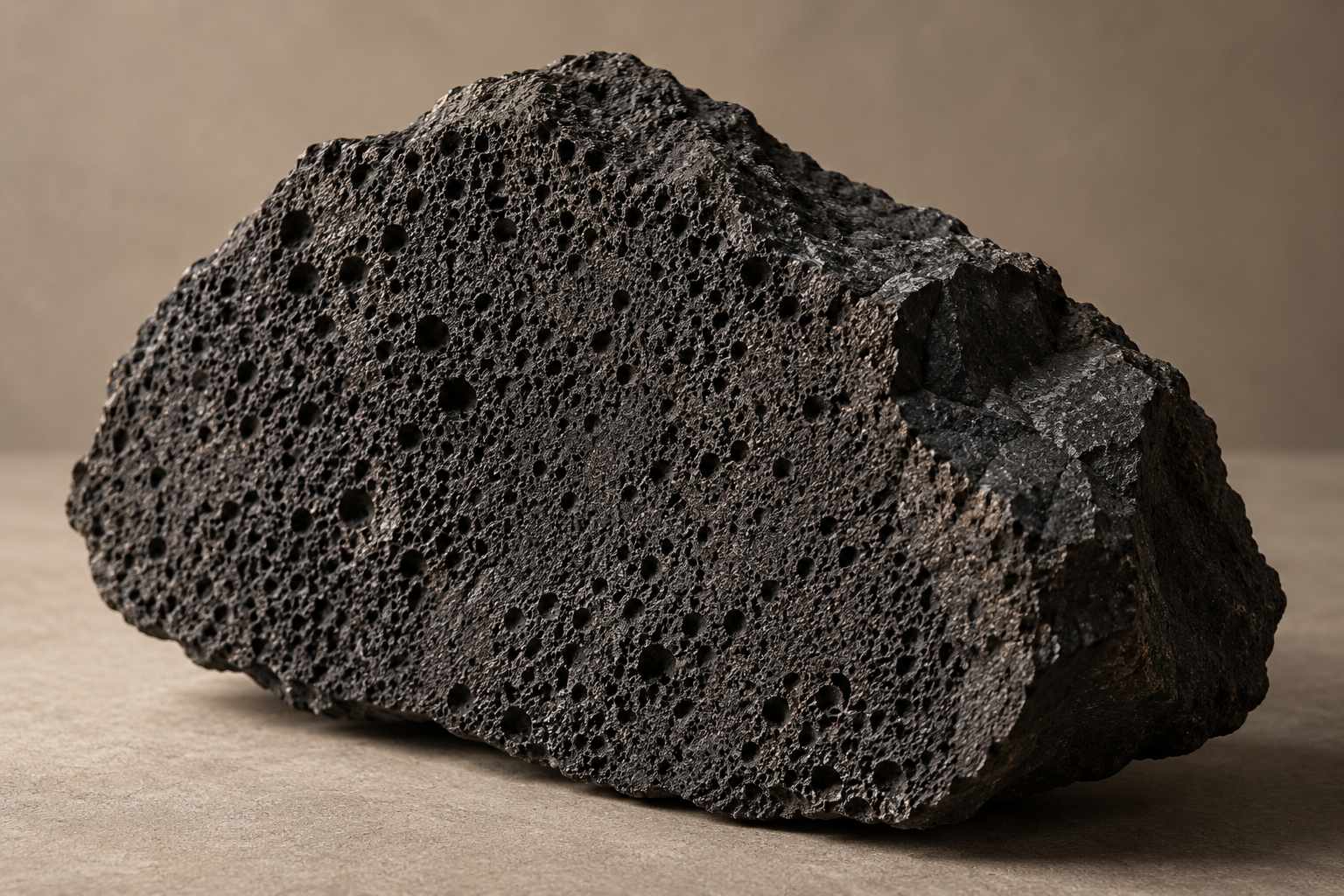
Identify stone and finish
A name is not a material specification
Lava stone can be a trade description for different rocks and finishes. Check the actual substrate, glaze, seal or stain treatment in the delivery information. Black colour, pores or sheen alone do not identify it.
Separate bare, treated and glazed surfaces
Unglazed porous stone and a fired glaze may differ in stain behaviour and care. A protective treatment does not guarantee resistance to all water, oil or acids; a glazed face does not mean that every edge and the back are equally protected.
Use gentle care for an unknown finish
Gently remove dust and blot fresh spills. Avoid acid descalers, bleach, solvents and abrasive cleaning. Confirm that any cleaner or protector is compatible with the exact stone and finish.
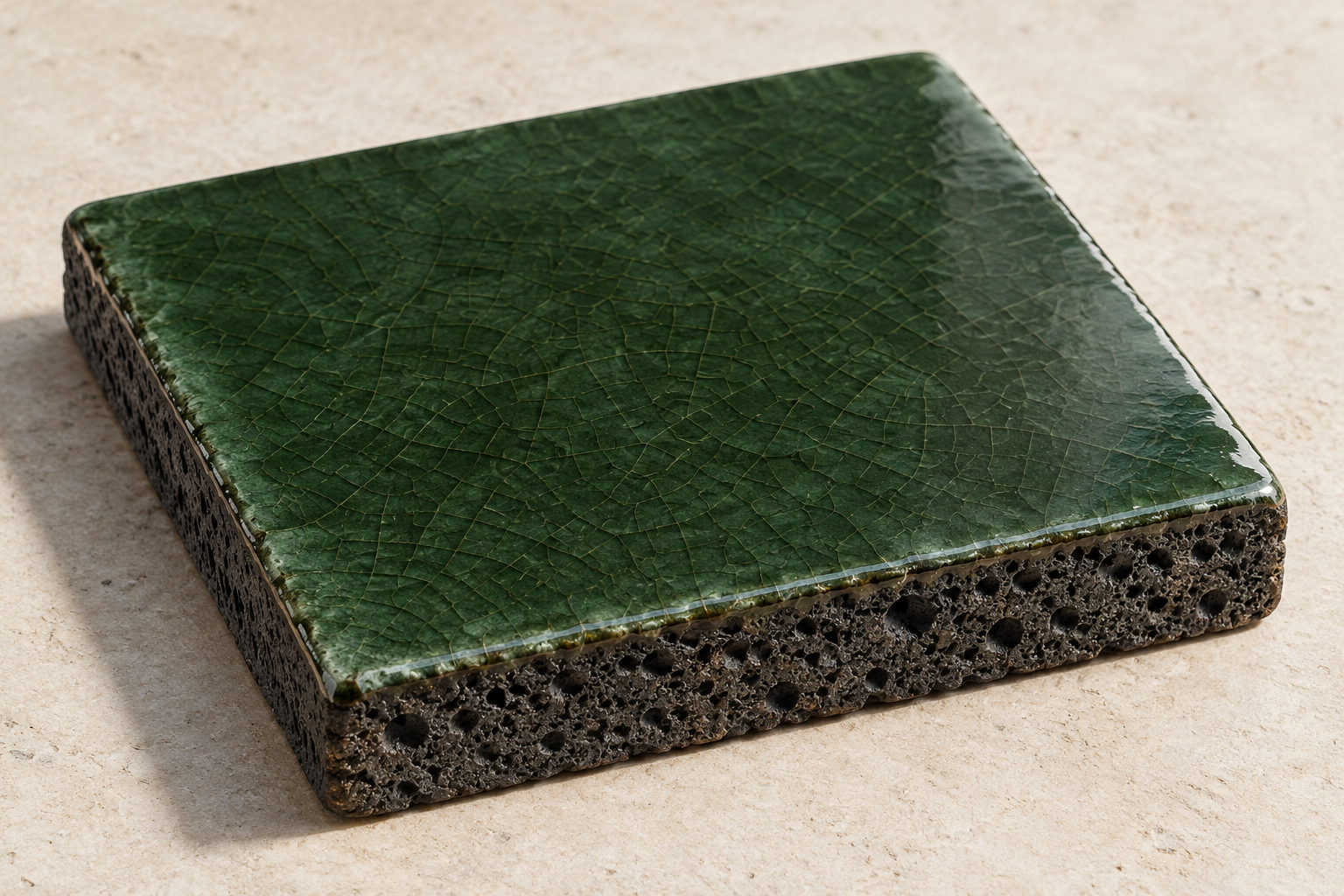
Everyday cleaning
01 / Remove loose dust
Remove loose dust with a soft dry cloth or brush. On rough surfaces, a low-suction soft brush attachment may help. Do not dig into pores with stiff or metal brushes or sharp tools.
02 / Clean gently with little water
Where damp cleaning is approved, work locally with a soft cloth, lukewarm water and a compatible pH-neutral cleaner. Do not leave dirty liquid in pores, on edges or in joints, and protect neighbouring frames and adhesives.
03 / Remove residue, dry and ventilate
Remove cleaner with a cloth lightly dampened with clean water, blot surface moisture with a dry cloth and let it air-dry. Do not use hot air or enclose a damp piece under a non-breathable cover.
Blot oil, wine and acidic spills
Blot spills immediately rather than spreading them. Use coasters and trays, and avoid prolonged direct contact with oil containers, plant pots and coloured liquids. Stain resistance does not mean that soaking is harmless.
Do not escalate a persistent stain
If a stain enters the pores, or whitening or dullness appears, stop repeated rubbing. Do not try vinegar, lemon, toilet cleaner, strong alkalis, steel wool or scouring powder, or apply aggressive tile-cleaning methods to furniture.
Do not use a universal sealing routine
Open pores, transparent protection and a fired glaze call for different treatment. Do not fill pores, oil, wax or reseal the surface yourself. Any care product and renewal interval must suit the specific finish.
Material character and use
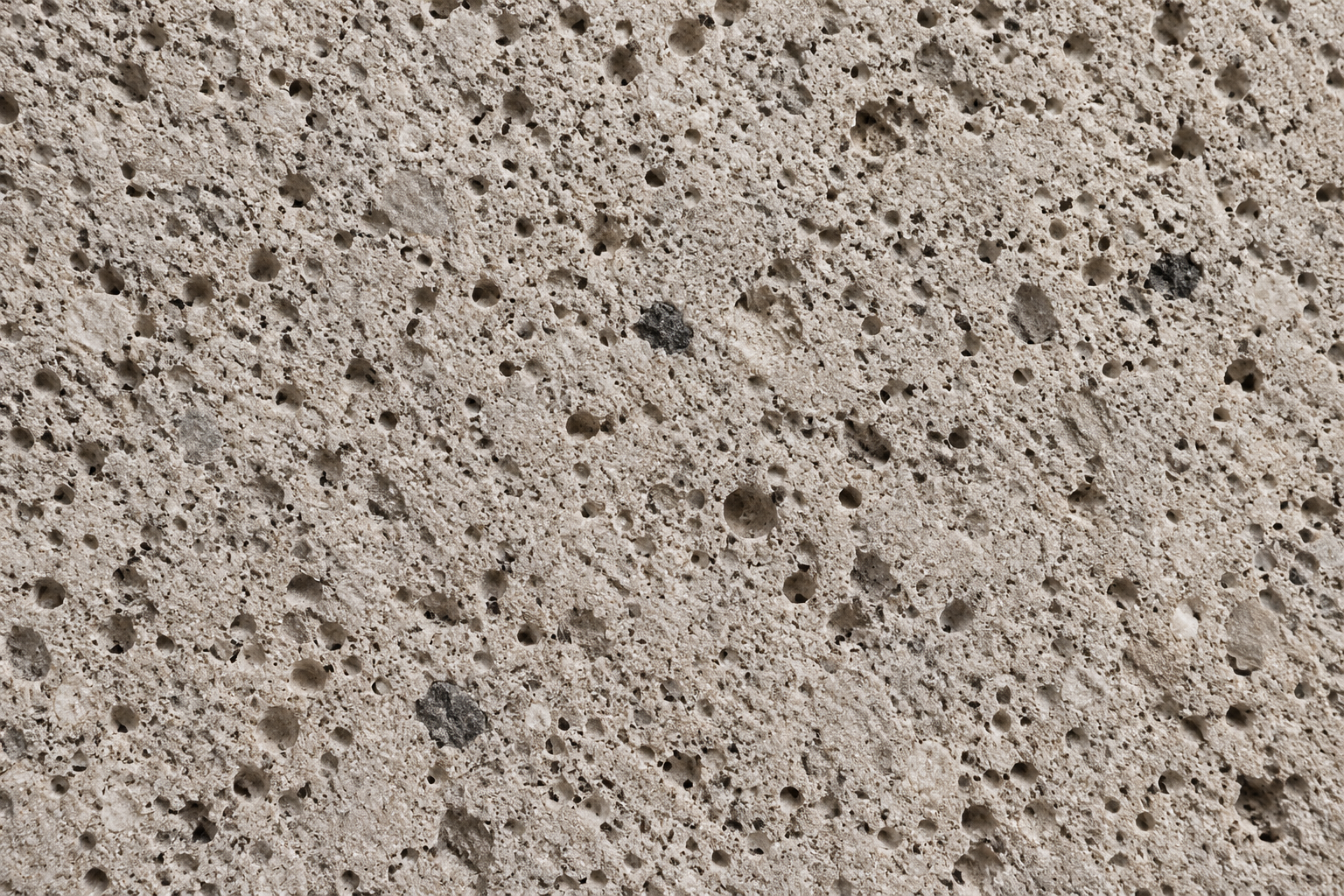
Natural pores and tonal variation
Confirmed natural pores, grain, texture and tonal differences form part of the appearance. Stones and processes vary widely. Refer to the agreed sample, delivery information and finish rather than expecting identical pieces.
Craquelé is not every kind of crack
Some models have confirmed decorative craquelé. New through-cracks, chips, flaking glaze or looseness still need inspection. Neither lava stone nor a handmade glaze makes every crack normal.
Pause treatment for white or cloudy marks
White or cloudy marks and dullness after heat or spills may involve residue, the finish or the stone; photographs cannot establish the cause. Blot liquid, air-dry and preserve the condition. Do not polish, acid-clean or recoat.
Buffer heat and hard objects
Use heat protection under hot cookware, baking trays and heated equipment. Lift objects and use soft pads. Do not cut, strike, sit or stand on the top or edges. Heat-resistant material does not establish thermal-shock resistance for the whole piece.
Protect support during installation and moving
Have suitable personnel follow model instructions, retaining specified supports and pads. Protect edges. Do not drag the piece, lift it by its top alone, drill, add adhesive or relocate supports yourself.
Outdoor suitability applies to the whole piece
Some stone or glaze finishes suit outdoor products; not every item can face frost or prolonged rain. Follow the model approval. Ensure furniture and cover are dry and allow ventilation before covering.
Care reminders & support
Stop use for structural concerns
Stop using the piece if cracks spread, glaze flakes, chips are sharp, fittings loosen or support is unstable. Keep people clear of hazards. Do not load-test it or inject adhesive, grind or knock off loose areas.
Keep a clear record rather than trying more products
Record liquids, hot objects and cleaners involved, and photograph the overall piece, close-up areas and edges. Use similar lighting to record changes. Do not apply successive chemicals that may alter the surface and obscure assessment.
When you need advice
If you are unsure how to proceed, ask Dak Haan customer service or the staff at your place of purchase for advice before treatment. Provide your order, material and finish details, overall and close-up photographs, and any cleaning products or treatment already used.
Keep your care information
Keep this guide, the material information and the product-specific assembly and use instructions for future care, moving and service.