
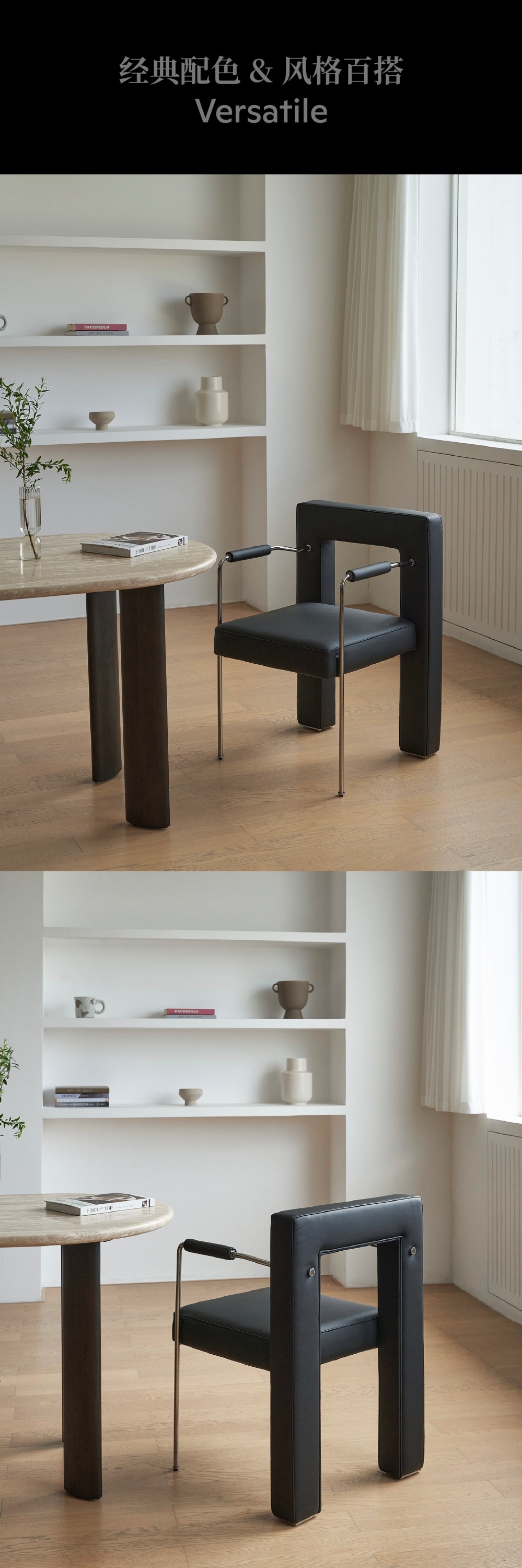
Daily Care
Confirm the leather before cleaning
Check the leather type, finish and care instructions in your order or delivery documents. If the type is unknown, gently remove dust and blot fresh spills only. Do not identify the leather by testing it with water.
01 / Dust gently
Use a soft, colourfast dry cloth. Clean crevices gently with a soft brush attachment at low suction, avoiding scratches. Dust as needed and do not allow perspiration or hair oils to remain on the surface.
02 / Blot spills promptly
Gently blot surface liquid with a clean absorbent cloth. Do not press water or oil into the leather. Avoid repeated scrubbing or enlarging the treatment area in an attempt to remove every trace immediately.
03 / Damp wiping needs confirmation
Use a well-wrung, slightly damp soft cloth only when the instructions for the exact leather allow it, then dry the surface. Test any new cleaner or care product in a hidden area and let it dry fully. Check for colour change, loss of sheen or tackiness.
Placement and everyday use
Keep away from direct sunlight, radiators and other strong heat sources. Watch for keys, sharp accessories and pet claws. If you have questions about wrinkles, natural markings or colour changes during use, take photographs and contact Dak Haan customer service or your sales contact.
Do not use
Do not use alcohol wipes, solvents, bleach, shoe polish or unconfirmed care products. Whether to apply leather conditioner, which product to use and how often must follow the instructions for the exact material.
Stains and damage
For absorbed oil, ink or dye transfer, record the source and contact Dak Haan customer service or your sales contact. Stop do-it-yourself cleaning or recolouring if cracking, peeling or persistent colour transfer appears.

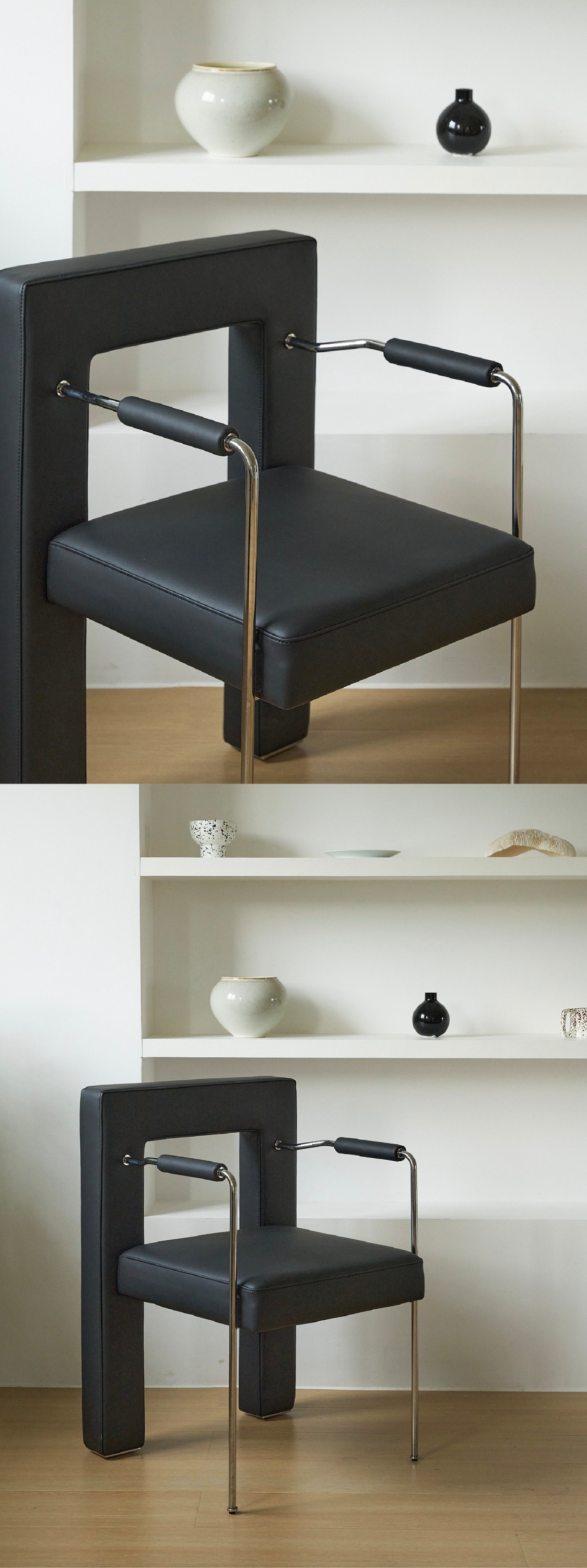
Material Notes
Pigmented leather
Dust with a soft dry cloth. Damp-clean only if the care instructions for the exact leather allow it, then dry the surface. A protective finish does not make every cleaner suitable.
Semi-aniline leather
Dust gently and prevent prolonged build-up of perspiration and hair oils. Choose cleaning products according to the instructions for the exact leather; do not use a general leather cleaner without confirmation.
Aniline leather
Prioritise dry dusting and avoid soaking. Even water may leave marks. Blot liquid first and have any further treatment assessed by a professional.
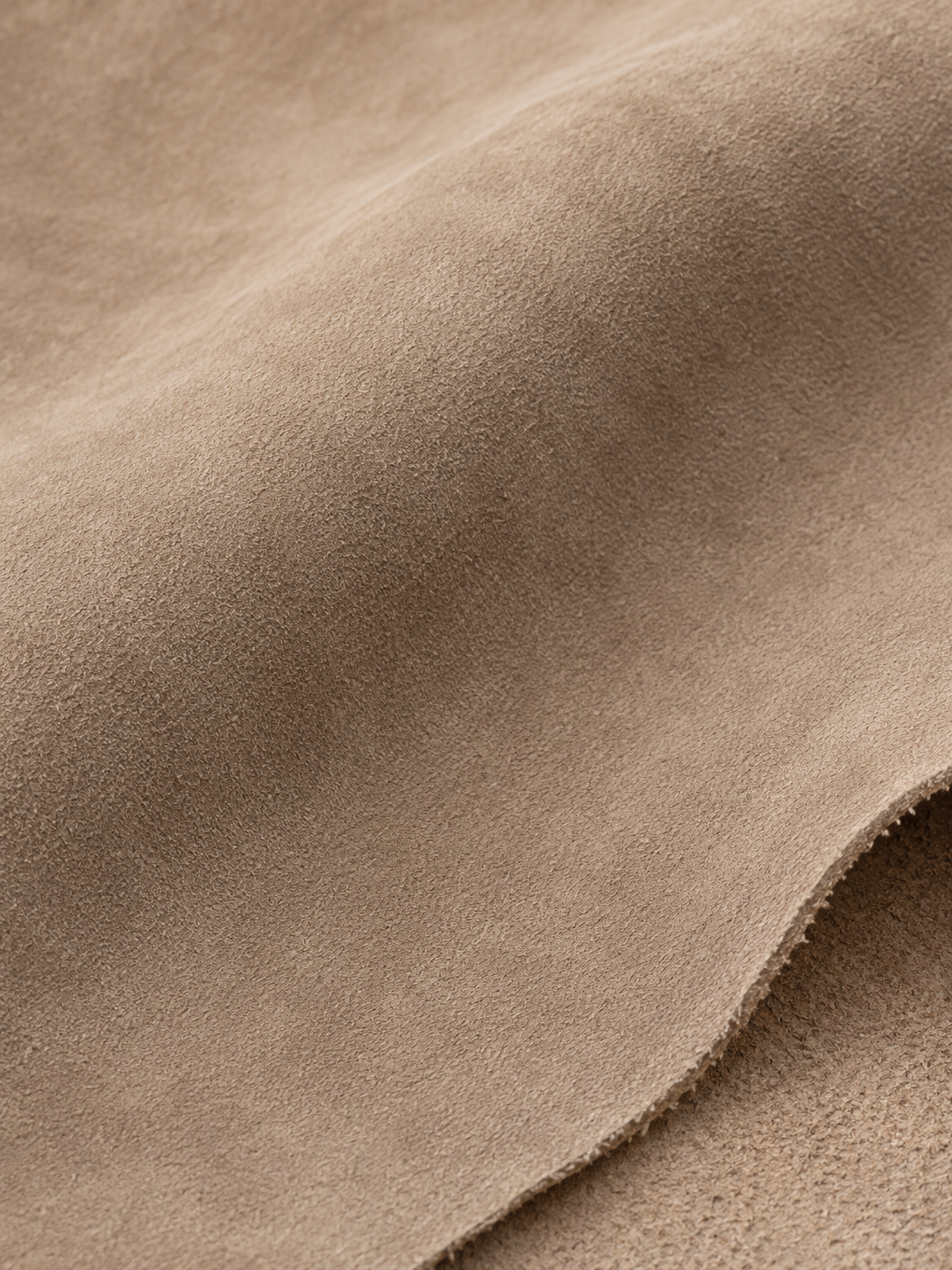
Nubuck and suede
Use a soft brush, suitable sponge or specified care kit according to the dedicated instructions. Do not use smooth-leather conditioner, shoe polish or general stain removers.
Synthetic and microfibre leather
Confirm the coating composition and care requirements separately. Do not apply oiling methods intended for genuine leather. If the material is unknown, begin with gentle dry dusting only.
Prepare for a care enquiry
Provide the order or material code, photographs of the affected area, the source and time of the stain, and any cleaning products already used. Keep the delivered care documents for reference.
Care follows the exact material
Match care to the exact leather and finish. Follow the material instructions when choosing care products and application intervals. Do not substitute a general leather cleaner or apply oil as a universal treatment.
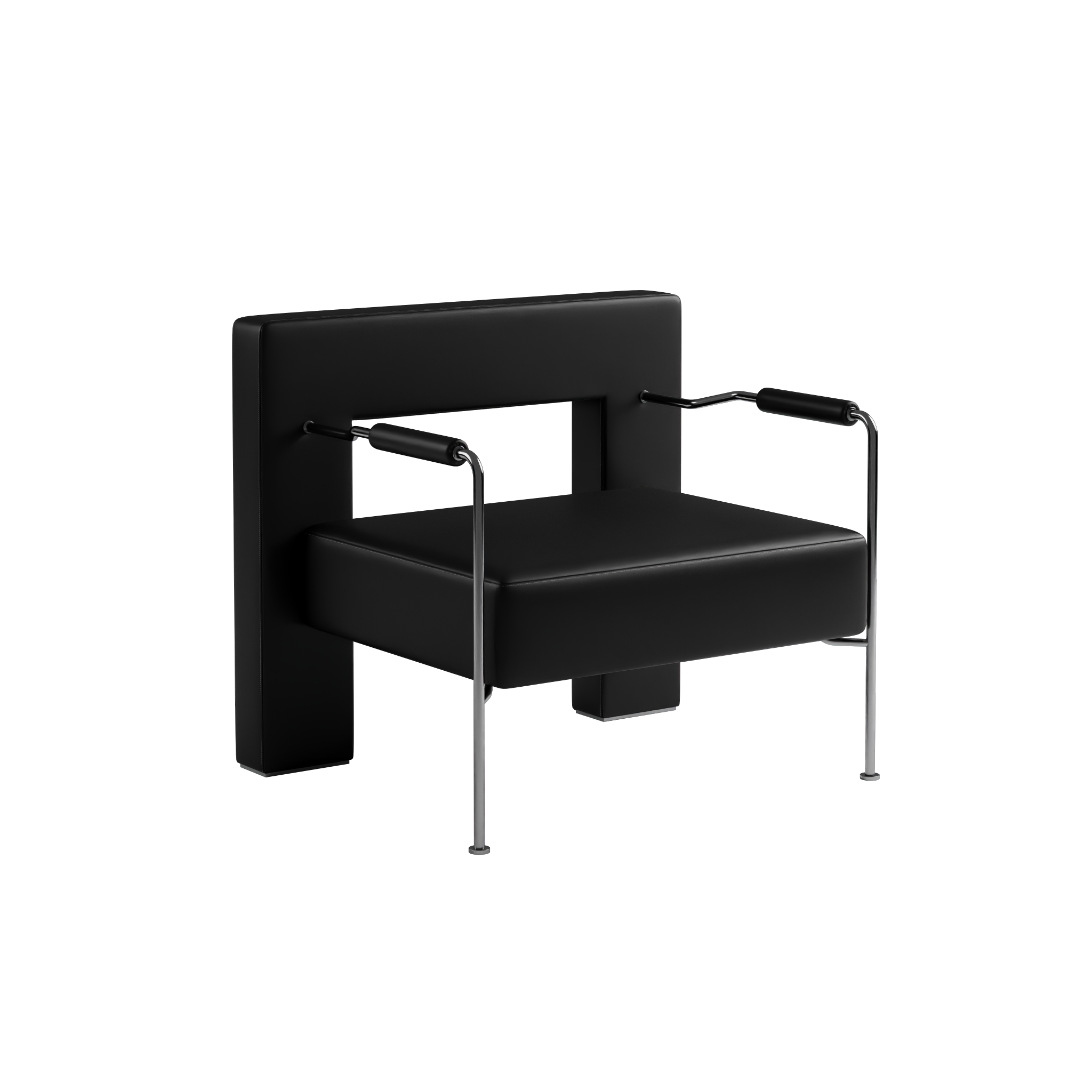
Understanding natural leather
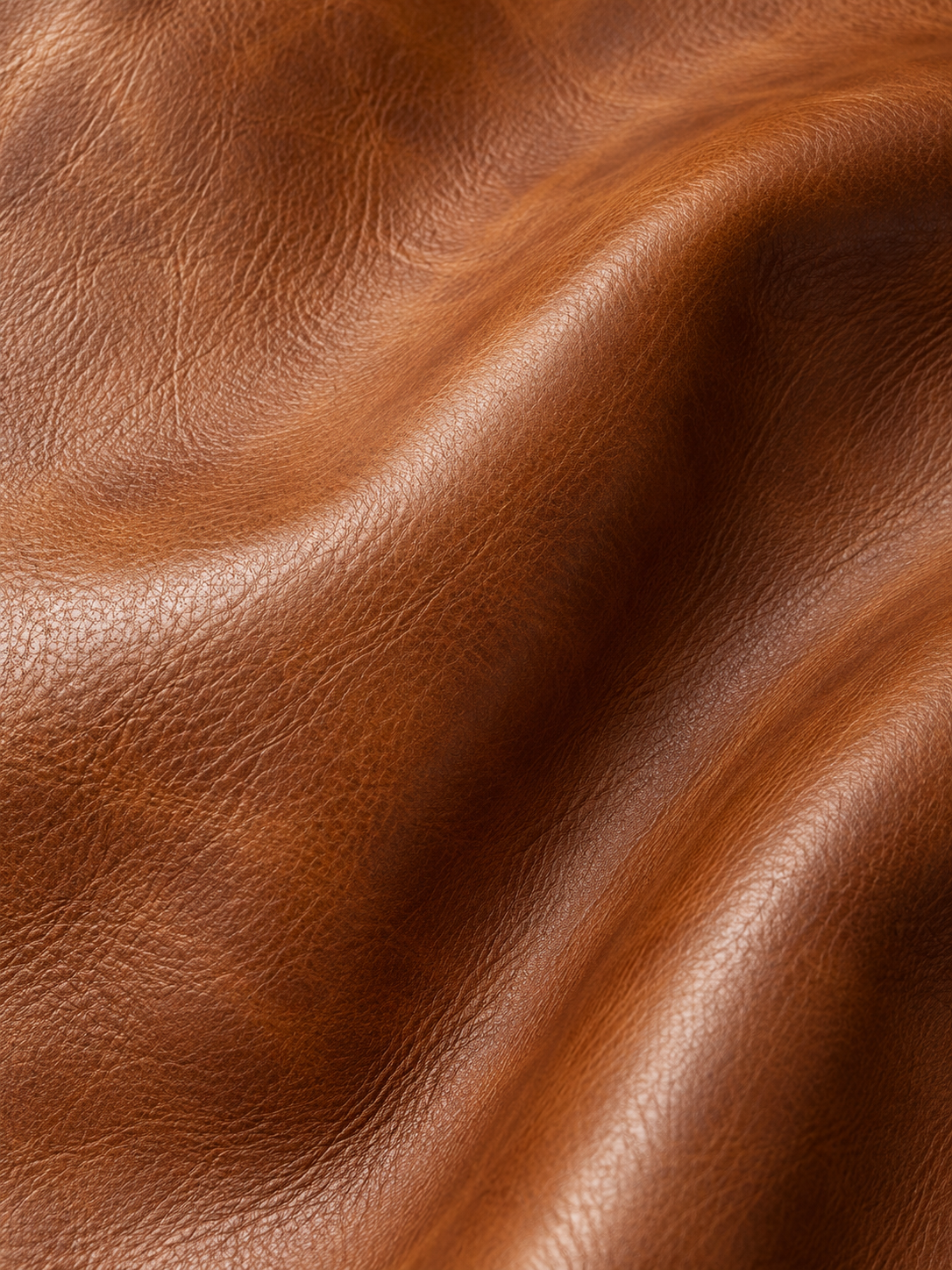
Individual grain
Genuine leather may vary in grain, pores and local tone. Whether growth marks or hide markings remain visible depends on the leather type and finish.
Confirm the chosen leather
Aniline, semi-aniline, corrected and synthetic leathers require different explanations. View the appropriate physical sample before purchase and discuss its grain and care needs.
Softness and use creases
Some leathers soften and develop use creases. Assess the filling, upholstery construction and recovery together; natural leather does not explain every loss of shape.
Light and contact
Sunlight, heat, body oils and dark clothing may affect appearance. Avoid prolonged direct sun and blot spills promptly. Do not repeatedly scrub to force an even colour.
Distinguish variation from damage
Persistent colour transfer, tackiness, peeling, rapidly spreading cracks or seam damage need assessment. Stop aggressive treatment and record photographs and any cleaner used.
Pause before treatment
If unsure whether a marking or change is expected, ask Dak Haan customer service or your sales contact before recolouring, oiling or abrading the surface.
Assess the actual leather
Natural-character explanations help identify the material; they do not replace assessment of a specific problem.
Care reminders & support
Scope
Use this guide for the applicable material and model. Follow the product documents for assembly and special care. Ask for advice if unsure.
Pause treatment if a problem appears
If cleaning causes colour changes, loss of sheen, tackiness or damage to the leather surface, stop treatment and contact Dak Haan customer service or your sales contact.
Ask before treatment
If you are unsure how to proceed, ask Dak Haan customer service or the staff at your place of purchase for advice before treatment. Provide your order, photographs and any treatment already attempted.
Keep your product information
Keep this booklet, the material care information and the product-specific installation and use instructions for future care, moving and service.