
CARE & USE · v0.6
Stone care guide
Understand the finish. Protect the natural character.

Daily Care
01 / Remove grit first
Gently dust with a soft, non-abrasive cloth. Where damp wiping is permitted, use a well-wrung soft cloth. If necessary, use a suitable neutral stone cleaner as directed in the care instructions for the finish, then dry the surface.
02 / Blot spills promptly
Do not leave drinks, wine, coffee, oil or other spills on the surface. Gently blot them with an absorbent cloth. Avoid repeated rubbing or prolonged wet compresses.
03 / Use coasters and heat-resistant mats
Do not place hot pans, kettles or other high-temperature items directly on the stone. Set objects down gently and lift them when moving; do not drag them across the surface.
Prevent etching and abrasion
Do not use vinegar, citric acid, descalers, strong acids or alkalis, bleach or abrasive tools on marble. Even stain-protected surfaces need protection from acid, heat and scratching.
Handling and loading
Stone can be heavy yet brittle. Do not sit, stand or step on a tabletop, overload edges or use an edge as a lever. Professional handlers must move and install it according to the exact model drawings.
If the surface changes
Photograph staining, loss of sheen, etch marks or cracks and contact Dak Haan customer service or your sales contact. Stop using a top that moves, has loose connections or is cracked. Do not grind, polish, acid-wash, fill joints or mix cleaners yourself.
Distinguish markings from cracks
Distinguish natural markings from new structural cracks; do not regard every crack as a natural feature. Lifting points, support, bonding and fastening requirements must follow the exact model instructions.
Surface Finishes
Confirm the actual treatment
Terms such as “glazing” or “gloss enhancement” may refer to mechanical polishing, impregnating colour enhancers, wax or film-forming coatings such as polyester, sometimes in combination. The name or glossy appearance alone cannot establish a stain-resistant film or resistance to heat or acid.
Impregnating sealers and colour enhancers
Stain protection does not make stone stain-proof or acid-proof. Some colour enhancers neither add gloss nor form a film; others also protect against stains. Before resealing, contact Dak Haan customer service or your sales contact to confirm the original treatment, suitable products and maintenance interval.
Polyester and other film-forming coatings
Cleaning acts on the outer coating. Remove particles first and take particular care against scratches and heat. Do not apply polishing, stain-removal or repair methods intended for uncoated stone.
Wax-treated natural stone
Before reapplying wax, contact Dak Haan customer service or your sales contact to confirm the suitable wax and care method. Do not layer unrelated care products or apply general furniture wax to every stone surface.
Travertine
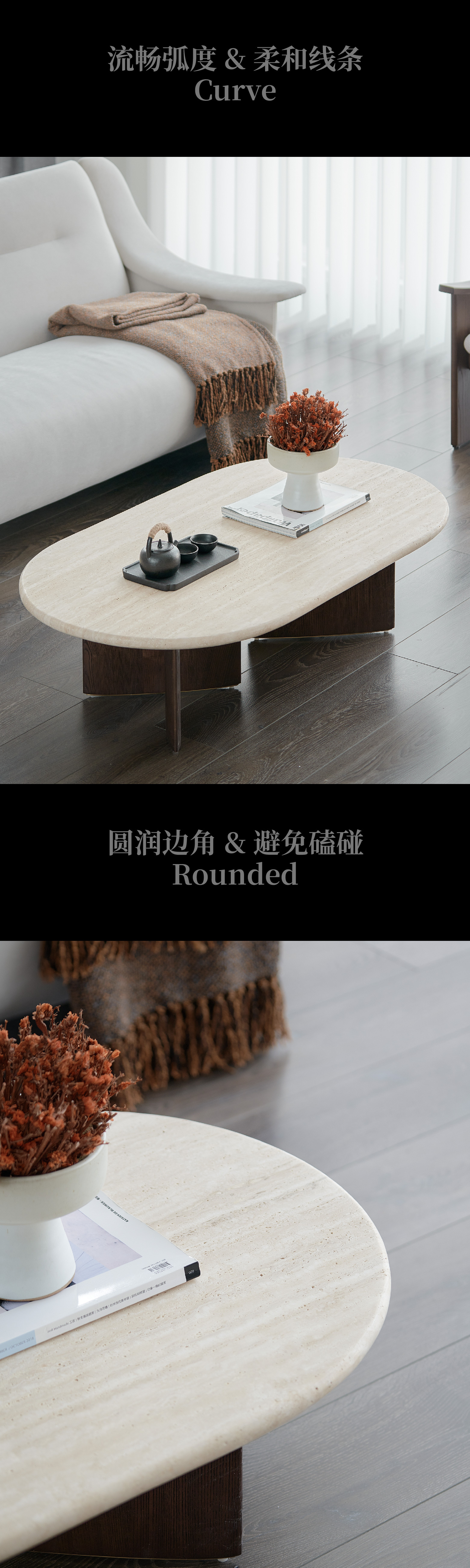
Assess pores, filling and natural patterns against the delivered sample. Prevent liquids and dirt from collecting in the surface. Do not fill holes or sand the stone yourself.
Sintered stone and engineered stone
Obtain the care instructions for the exact brand and model. A marble-like appearance does not justify natural-stone sealing methods, and the properties of one sintered-stone product cannot be applied to all materials.
Protect treated surfaces too
Colour enhancement, stain protection, sheen, heat resistance and acid resistance are different properties. Even with a stain-protective or gloss-enhancing treatment, use coasters and heat-resistant mats and avoid contact with acidic liquids. Follow the care instructions for the finish when deciding whether resealing is needed.
When The Surface Changes
Why dark stone needs particular attention
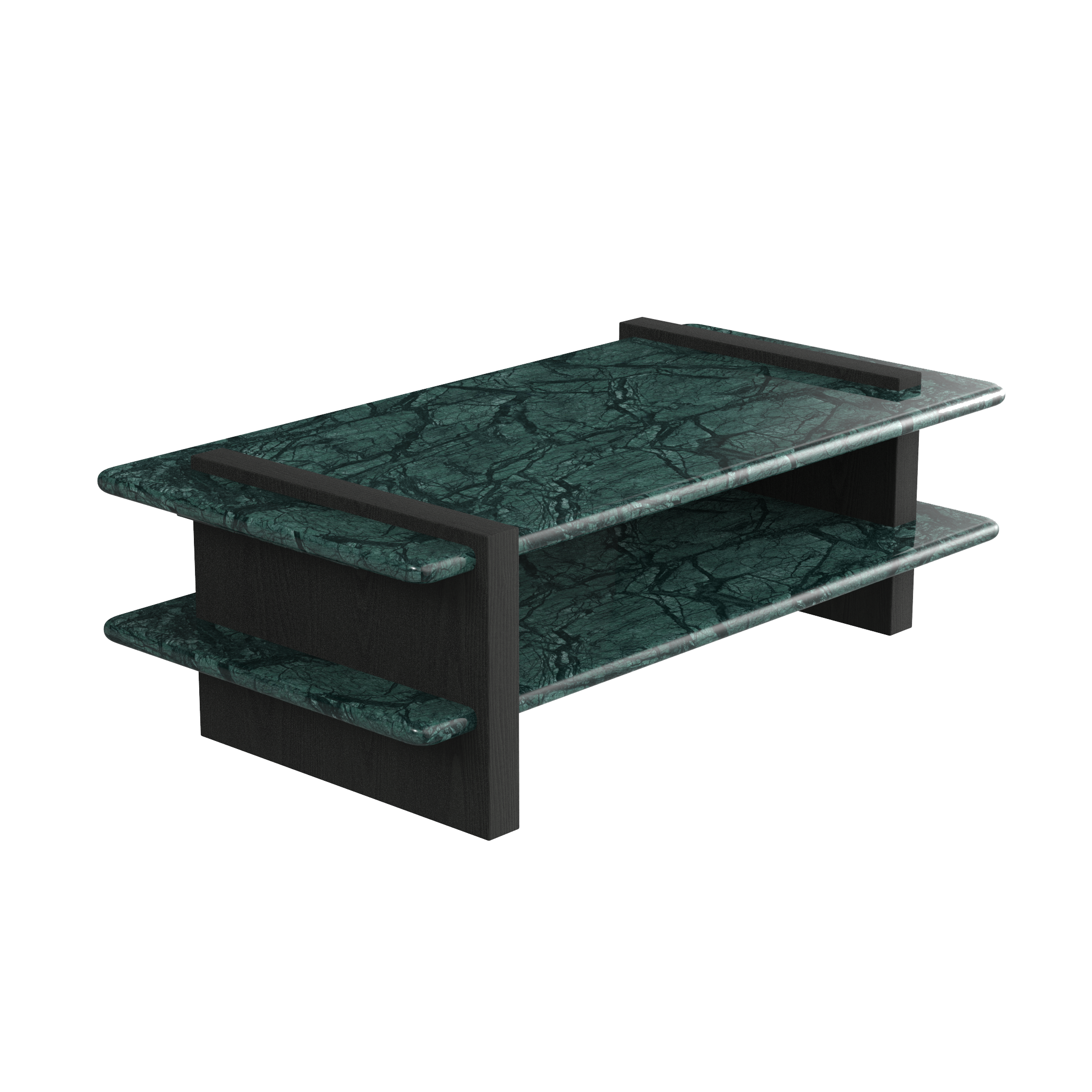
White rings, haze and loss of sheen can appear more noticeable against dark stone. Appearance alone does not identify whether the coating, stone or surface residue is affected, and natural recovery after cooling cannot be guaranteed.
Changes after contact with heat
A coating may be affected by heat; polyester coatings in particular should be protected from high heat. Whitening after a hot object cannot establish one specific coating mechanism, nor does it show that all gloss-enhanced stone whitens with heat.
White marks after a liquid spill
Acidic liquids may etch the stone and reduce its sheen; the damage cannot always be attributed to a stain-resistant coating. Sealer residues or moisture in the substrate during treatment can also produce a similar haze.
01 / End further contact
Remove the heat source or blot up the spill with an absorbent cloth. Allow the surface to cool naturally. Do not quench it with cold water.
02 / Pause do-it-yourself repairs
Follow the confirmed care instructions for the finish. If the cause is unknown, do not blow hot air, iron or rub repeatedly. Do not hide marks with alcohol, descalers, abrasive pads, wax or colour enhancers.
Prepare for a care enquiry
Photograph the affected area once cool and dry. Record the stone model, finish, object or liquid involved, contact duration and location. Before repair, a professional must identify the original treatment and the affected layer.
Prepare for a care enquiry
White rings, haze and loss of sheen may involve the stone, its coating or surface residues. Appearance alone cannot identify the cause. Stop do-it-yourself repairs, keep a record of the incident and contact Dak Haan customer service or your sales contact for professional assessment and treatment.
Understanding natural stone
Every slab is different
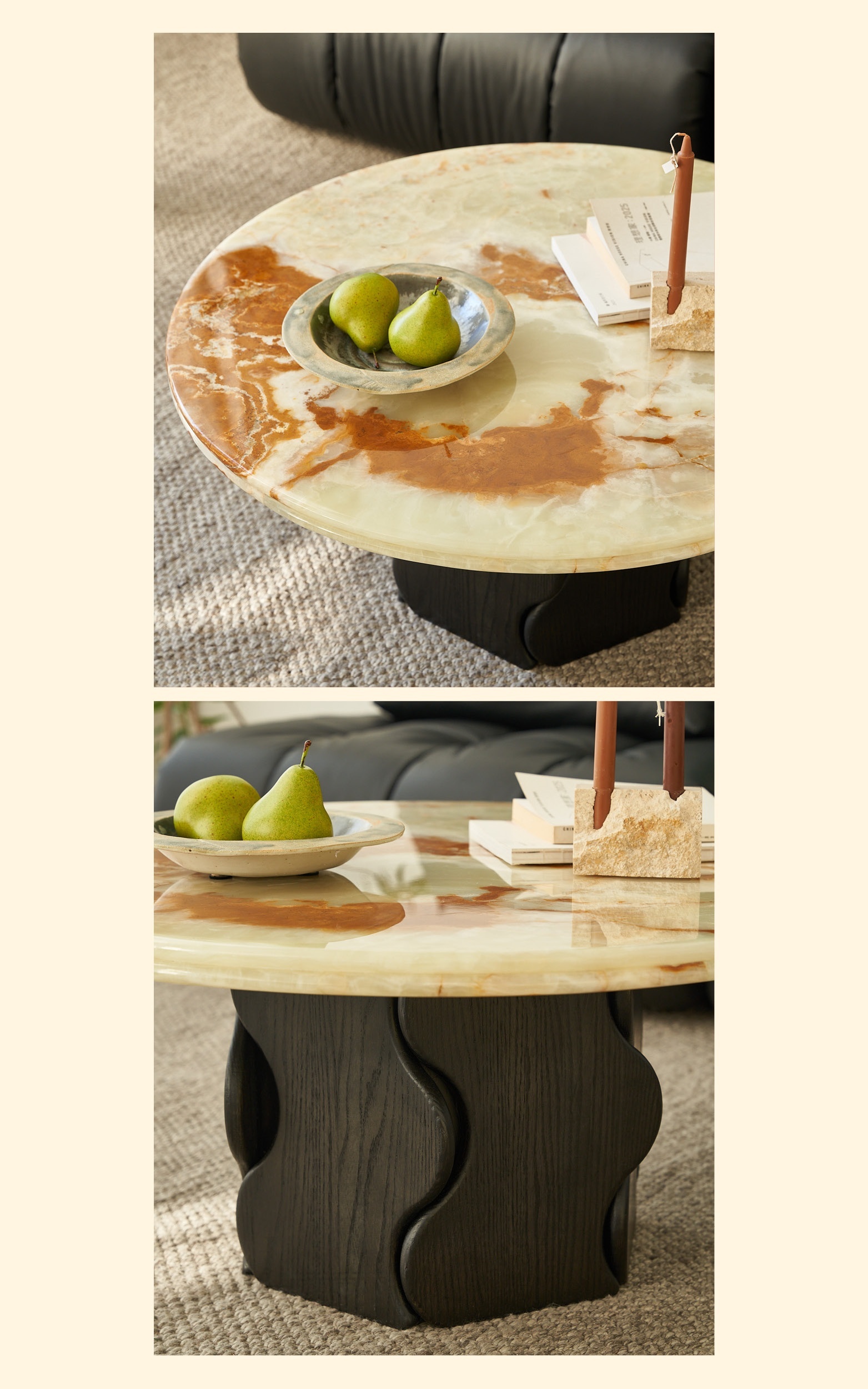
Natural stone may differ in veining, mineral markings and tone. A sample indicates colour family and feel; it cannot reproduce the exact pattern of a finished piece.
Confirm pores and treatment
Travertine may contain natural cavities. Open, filled and sealed surfaces depend on the product. Not every pit, crumbling area or repair difference should be treated as expected.
Veins and cracks differ
Veining, joints, filling and newly developed cracks require separate assessment. Stop use and seek inspection if an area spreads, loosens or develops sharp edges.
Sealers have limits
Sealing helps care but does not make stone acid-proof, heat-proof or permanently stain-proof. Use coasters and trivets, blot spills promptly and avoid dragging hard objects.
Assess white marks separately
White rings, haze, tackiness or peeling after heat or liquid contact cannot be explained simply as natural colour variation. Stop chemical treatment and record the contact and timing.
Discuss variation before purchase
If veining or tone is important to you, discuss available physical references and selection options before purchase. Screen images do not establish an exact match.
Keep an assessment route
Natural variation is not an answer to every problem. Seek advice before treating an uncertain condition.
Care reminders & support
Scope
Use this guide for the applicable material and model. Follow the product documents for assembly and special care. Ask for advice if unsure.
Pause treatment if a problem appears
For staining, loss of sheen or white marks, stop do-it-yourself repairs and contact Dak Haan customer service or your sales contact. Stop use if the top moves, connections loosen or the stone cracks.
Ask before treatment
If you are unsure how to proceed, ask Dak Haan customer service or the staff at your place of purchase for advice before treatment. Provide your order, photographs and any treatment already attempted.
Keep your product information
Keep this booklet, the material care information and the product-specific installation and use instructions for future care, moving and service.